Source Photobooth Stand for Events, Parties, and Weddings
Source 30 photobooth stand options from verified suppliers. Compare aluminum and composite materials, customizable sizes, and folding designs for event, party, and wedding applications with varying MOQs and prices; compare the available evidence and request quotations based on your requirements.
Key considerations
Products List


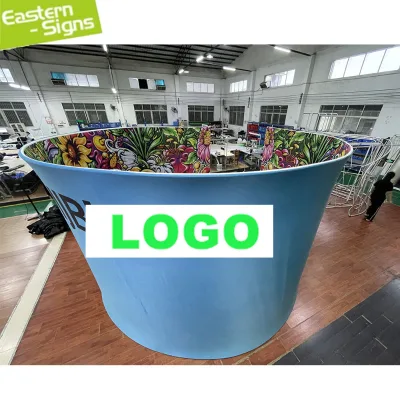


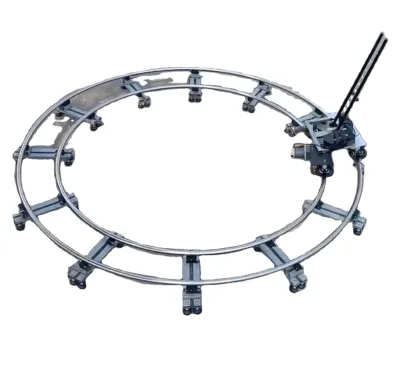
Comprehensive Sourcing Guide
Photobooth Stand Sourcing Guide
Sourcing a photobooth stand requires balancing structural stability with aesthetic flexibility, as these units serve as the physical foundation for event photography experiences. Buyers must evaluate whether the stand supports digital displays, physical backdrops, or integrated lighting systems, depending on the specific application. The market offers diverse configurations, ranging from professional tripods designed for digital cameras to floor-type L-stands and truss-built structures. Understanding the intended use case, such as weddings, corporate conferences, or rental services, is the first step in defining technical requirements.
Procurement decisions should also account for portability and setup efficiency, especially for rental businesses that require rapid deployment and breakdown. Many suppliers offer customizable options, including color finishes and patterned backdrops, which allow brands to align the photobooth with event themes. However, customization often impacts lead times and minimum order quantities. Buyers need to verify if the supplier accepts samples and what the packaging standards are, as this directly affects shipping costs and the risk of damage during transit.
Product Scope and Observed Listing Signals
The current market for photobooth stands includes a wide variety of product types, from aluminum professional tripods to composite material backdrop stands. Observed listings indicate a price range from approximately $28 to $4,500, reflecting significant differences in build quality, material composition, and integrated technology. Some units are simple folding stands, while others are complex truss structures with active screens up to 32 inches. This variance suggests that buyers must clearly define their budget and functional needs before engaging with suppliers, as low-cost options may lack the durability required for high-frequency commercial use.
Listing signals also reveal diverse material choices, including aluminum alloy, steel, iron pipe, and fiberglass poles. Canvas materials vary from PVC printing cloth to polyester and KT board, each offering different durability and print quality. Some products feature cylindrical or petal-type lens hoods and UV filters, indicating integration with camera systems. Buyers should note that while some listings mention 4G/WiFi connectivity and touch screen controls, these features are likely associated with the display or camera components rather than the stand itself. Clarifying which components are included in the stand price is essential to avoid hidden costs.
Technical Specifications to Verify
When evaluating technical specifications, buyers must prioritize the stand’s load-bearing capacity and stability, especially when supporting heavy cameras or large digital screens. Key attributes to verify include the folded dimensions, such as 70x60x30cm or 230x230cm for larger backdrops, which determine storage and transport efficiency. The input voltage range, typically AC100-240V, is crucial if the stand includes integrated lighting or electronic displays. Buyers should also check the screen size compatibility, as some units are designed for 15.6-inch or 32-inch displays, ensuring the hardware matches the intended visual output.
Material composition is another critical technical factor. Aluminum stands offer a lightweight yet sturdy option, while composite materials may provide better resistance to corrosion or environmental factors. For backdrop stands, the frame material—whether aluminum alloy, steel, or fiberglass—directly impacts longevity and setup speed. Buyers should verify if the stand is foldable and what the maximum height or width dimensions are, such as 600x230cm for large event backdrops. Additionally, confirming the compatibility with specific camera brands, such as Canon or universal mounts, ensures seamless integration with existing photography equipment.
Compliance and Safety Documentation
Safety compliance is paramount for photobooth stands, particularly those used in public events or high-traffic areas. Buyers should request documentation verifying that the stand meets relevant structural safety standards, ensuring it can support the intended load without tipping or collapsing. While specific certification names may vary by region, buyers must ensure that the supplier provides evidence of rigorous testing for stability and durability. This is especially important for truss-built or floor-type stands that may be subjected to frequent assembly and disassembly by event staff.
Environmental and material safety standards should also be reviewed, particularly if the stand includes printed backdrops or electronic components. Buyers should verify that materials used, such as PVC or vinyl banners, comply with local regulations regarding flame retardancy and chemical safety. Although some listings mention recycled features, buyers must confirm the extent of recyclability and proper disposal methods. Ensuring that all components, including cables and power adapters, meet electrical safety standards is essential to prevent hazards during operation.
Cost Drivers and Commercial Terms
Several factors influence the final cost of a photobooth stand, including material quality, customization options, and packaging requirements. Aluminum and composite materials typically command higher prices due to their durability and lightweight properties. Customization, such as specific colors, patterns, or branded backdrops, adds to the cost and may increase lead times. Buyers should also consider the packaging method, as flight cases or wooden cases offer better protection but increase shipping volume and cost compared to standard carton packaging.
Minimum order quantities (MOQ) and sample policies are critical commercial terms to negotiate. Some suppliers offer low MOQs and accept samples, which is beneficial for testing quality before bulk orders. However, buyers should be aware that customization often requires higher MOQs. Payment terms, lead times, and warranty policies should be clearly defined in the contract. Buyers must also factor in potential additional costs for accessories, such as camera mounts, lighting kits, or software licenses, which may not be included in the base stand price.
Supplier Qualification and Quality Control
Supplier qualification involves assessing their manufacturing capabilities, quality control processes, and track record in the event equipment industry. Buyers should verify if the supplier has experience producing photobooth stands for large-scale events or rental companies, as this indicates reliability and durability. Requesting references or case studies can provide insight into the supplier’s ability to meet deadlines and handle custom orders. Additionally, buyers should inquire about the supplier’s quality control measures, including inspection protocols for materials and final product testing.
Quality control should extend to the packaging and shipping process, as photobooth stands are often transported over long distances. Buyers should ensure that the supplier uses robust packaging, such as flight cases or reinforced cartons, to prevent damage. It is also important to verify the supplier’s ability to provide replacement parts or after-sales support, especially for complex units with electronic components. Establishing a clear communication channel for addressing defects or issues post-delivery is essential for maintaining operational continuity.
Long-Term Procurement Checks
Long-term procurement success depends on establishing a sustainable supply chain that can adapt to changing market demands and technological advancements. Buyers should regularly review supplier performance metrics, including on-time delivery rates, product quality consistency, and responsiveness to issues. Building a relationship with a reliable supplier can lead to better pricing, priority production, and access to new product innovations. Additionally, buyers should stay informed about industry trends, such as the integration of digital displays or smart features, to ensure their photobooth offerings remain competitive.
Regular audits and feedback loops with suppliers can help identify areas for improvement and strengthen the partnership. Buyers should also consider diversifying their supplier base to mitigate risks associated with supply chain disruptions. Monitoring market prices and material costs can help buyers anticipate price fluctuations and negotiate favorable terms. Finally, investing in training for event staff on the proper setup and maintenance of photobooth stands can extend the lifespan of the equipment and enhance the overall customer experience.
FAQs
What tripod types are available for photobooth stands?
Professional tripods and table tripods are available for photobooth stands. These units are constructed from aluminum or aluminum alloy materials to ensure stability during digital camera use at events.
Can I customize the appearance of the backdrop stand?
Yes, customization is available for the backdrop stand. You can select custom CMYK colors and patterns, with canvas materials including PVC printing cloth or polyester cloth to match your specific event needs.
Which screen sizes are supported for the photobooth setup?
The setup supports screen sizes ranging from 15.6 inches to 32 inches. These active screens feature touch screen control methods and operate on AC100-240V input for versatile deployment at parties or conferences.
How is the product packed for shipping and transport?
Products are packed in flight cases, wooden cases, or standard shipping packaging. Some models use flight cases combined with cartons to ensure safe transport of the backdrop stand and tripod components during delivery.
What is the minimum order quantity for these stands?
The minimum order quantity ranges from 1 to 100 units depending on the specific model. Low MOQ options are available, allowing buyers to order samples or small batches for testing before larger purchases.
Where are these photobooth stands manufactured and shipped from?
These stands are manufactured in China, specifically in Guangdong. The products originate from this region and are shipped using standard packaging or customized options to meet international delivery requirements for various events.
Which camera brands are compatible with these tripod systems?
The tripod systems are compatible with Canon cameras and other brands. They support normal lens focus types and include features like UV filters and petal-type lens hoods for enhanced photography performance.